Libavif v1.4.0 Boasts Major Updates to Encoder Technology
The AOMedia Storage and Transport Formats Working Group (STFWG) is pleased to share that libavif v1.4.0 is now available. This marks the first major release of the technology since April 2025 and includes a host of significant updates. Key notable upgrades include:
- Use by default of the new tune IQ (Image Quality) tuning mode of libaom. The tune IQ mode, which debuted in libaom v3.12.0 and matured in libaom v3.13.0, is a suite of encoder settings that aim to improve the perceptual quality of images. After a rigorous evaluation, tune IQ graduated and became the default tuning mode in libavif v1.4.0.
- Support of the Sample Transforms feature in AVIF specification v1.2.0, a feature that allows extending the bit depth of AVIF images to 16 bits and beyond. For backward compatibility, Sample Transforms are restricted to the alternate version of an image so that the base version of the image can still be decoded by old AVIF decoders. For example, a 16-bit AVIF image must contain a 12-bit or 8-bit base image.
- Numerous improvements to color space and gain map handling
- Key bug fixes accumulated over the past 10 months
The Tune IQ (Image Quality) Tuning Mode
Tune IQ (Image Quality) is a new tuning mode in libaom for encoding still images. Many of the ideas in tune IQ were incubated in the SVT-AV1-PSY fork of SVT-AV1. Tune IQ was developed in libaom from late 2024 through the first half of 2025, and has since been ported to SVT-AV1.
Tune IQ has four major goals
- Improve compression efficiency on specific image quality metrics (e.g., SSIMULACRA 2)
- Improve perceptual quality by humans
- Maintain more consistent quality within each image
- Encode images with quality consistently close to the specified target quality
Tune IQ achieves these goals by tuning the encoder's decisions in bit allocation and rate-distortion optimization, as well as making better use of underutilized AV1 coding tools to reach their full potential. In addition, tune IQ uses a more reliable method to detect screen content and determine whether screen content coding tools such as intra block copy would be profitable. During the development process we also profiled the performance and sped up bottlenecks in both the encoder and decoder.
Encouraged by the enthusiastic feedback of early adopters, the libavif team conducted several rounds of evaluation and subjective testing to guide further enhancement. After a year of continuous bug fixes and quality refinements, tune IQ became the default tuning mode for images in libavif v1.4.0 in March 2026.
Visual Comparison
The following is a great example of how tune IQ maintains more consistent quality within an image. Notice that tune IQ retains more detail around the body of water and the sky, while still retaining enough detail around the trees and scenery. The libavif team is really excited to share the perceptual quality improvements tune IQ achieves!
Original (3.4 MB)

Tune SSIM (261 KB)

Tune IQ (256 KB)

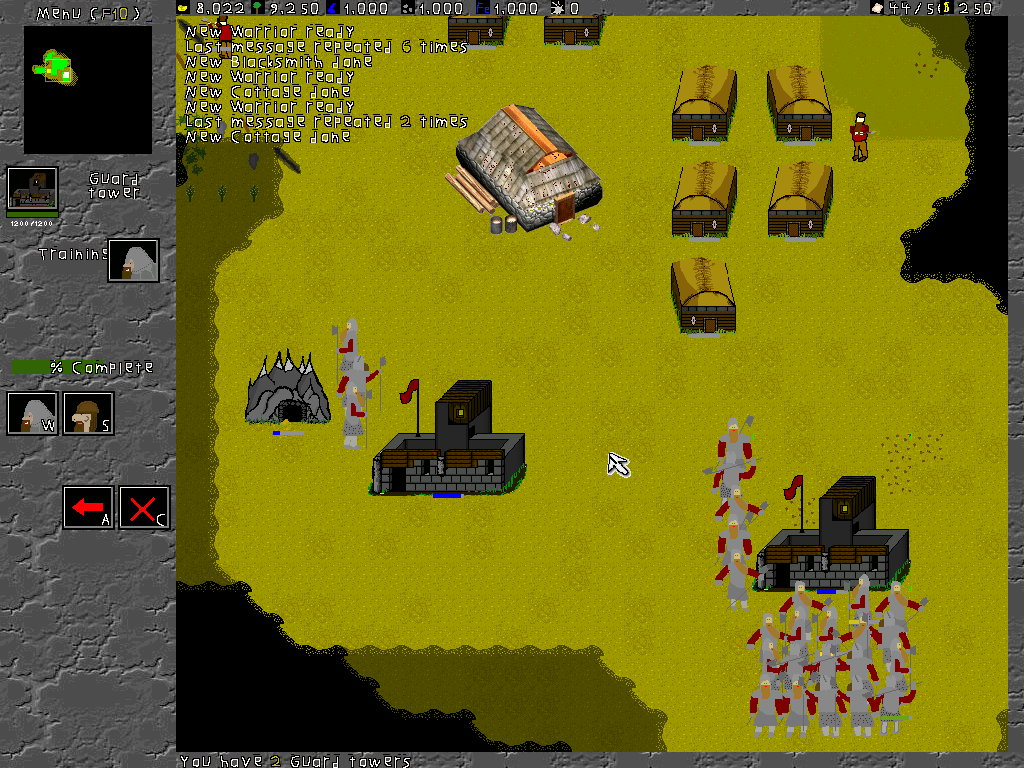
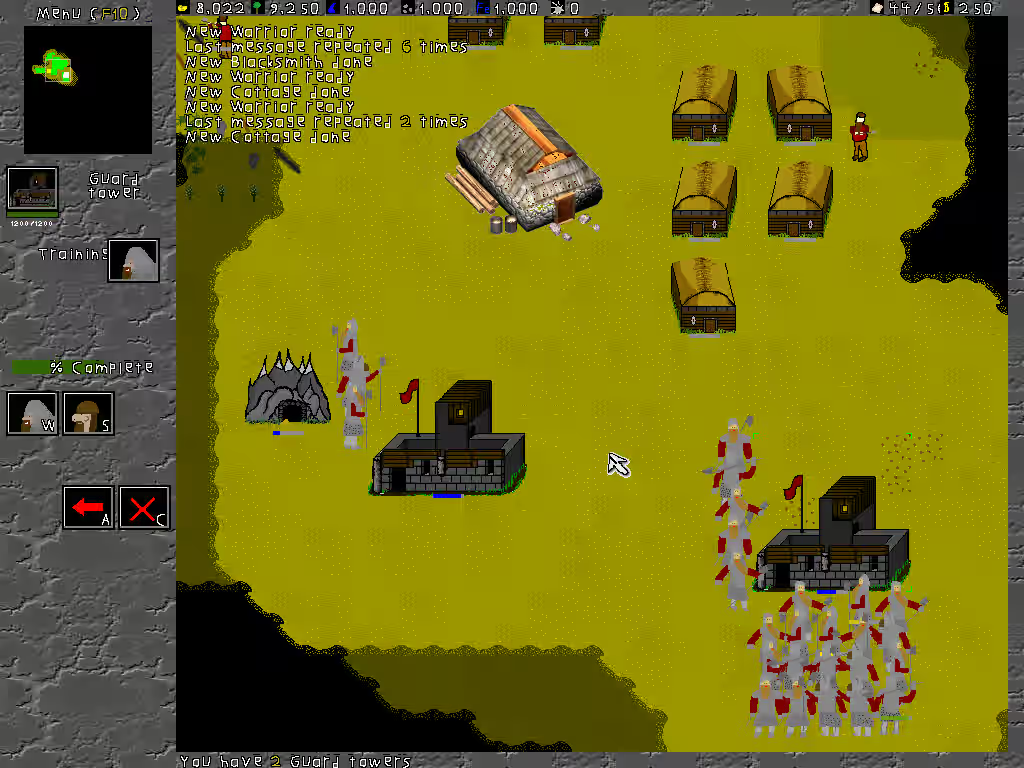
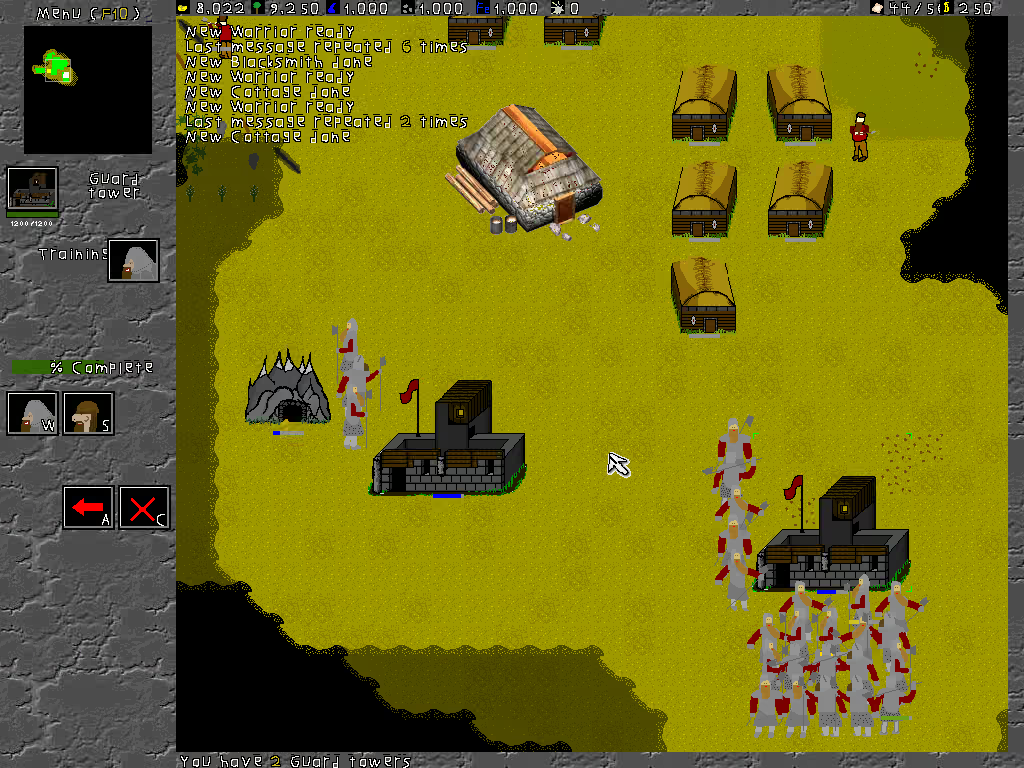
Screen Content Coding Example
The following is a great example of how tune IQ significantly improves on the previous default tuning mode, tune SSIM, for an image containing screen content. The new screen content detection algorithm in tune IQ allows us to leverage screen content coding tools for more content, improving the compression efficiency further.
Original (255 KB)
Tune SSIM (54 KB)
Tune IQ (51 KB)
The new release is available in github, where binary distributions for Linux, macOS, and Windows can be downloaded now: https://github.com/AOMediaCodec/libavif/releases/tag/v1.4.1
The STFWG encourages users to upgrade to the new release and provide feedback: https://github.com/AOMediaCodec/libavif/issues. Your input helps drive continuous improvements to the technology, so all comments are welcome.